Virtual Cloud Network
tags :
Networking #
The details of VCN here are particular to OCI
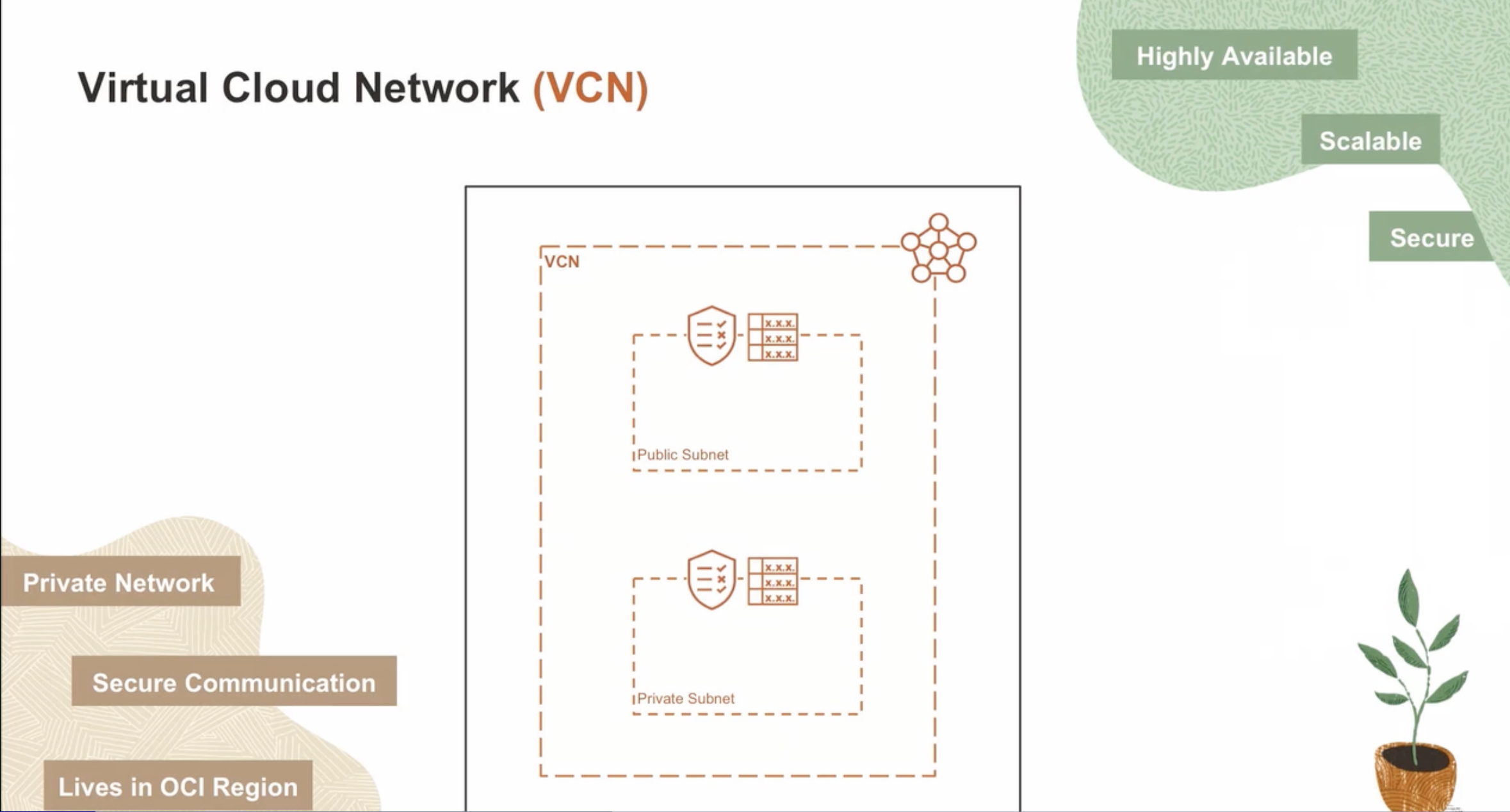
A virtual cloud network (VCN) refers to
- a system that has devices,
- virtual machines, servers, and
- data centers
linked and controlled using wireless technology and software. With virtual cloud networking, an organization can expand their network as they see fit, without having to sacrifice efficiency and functionality. URL
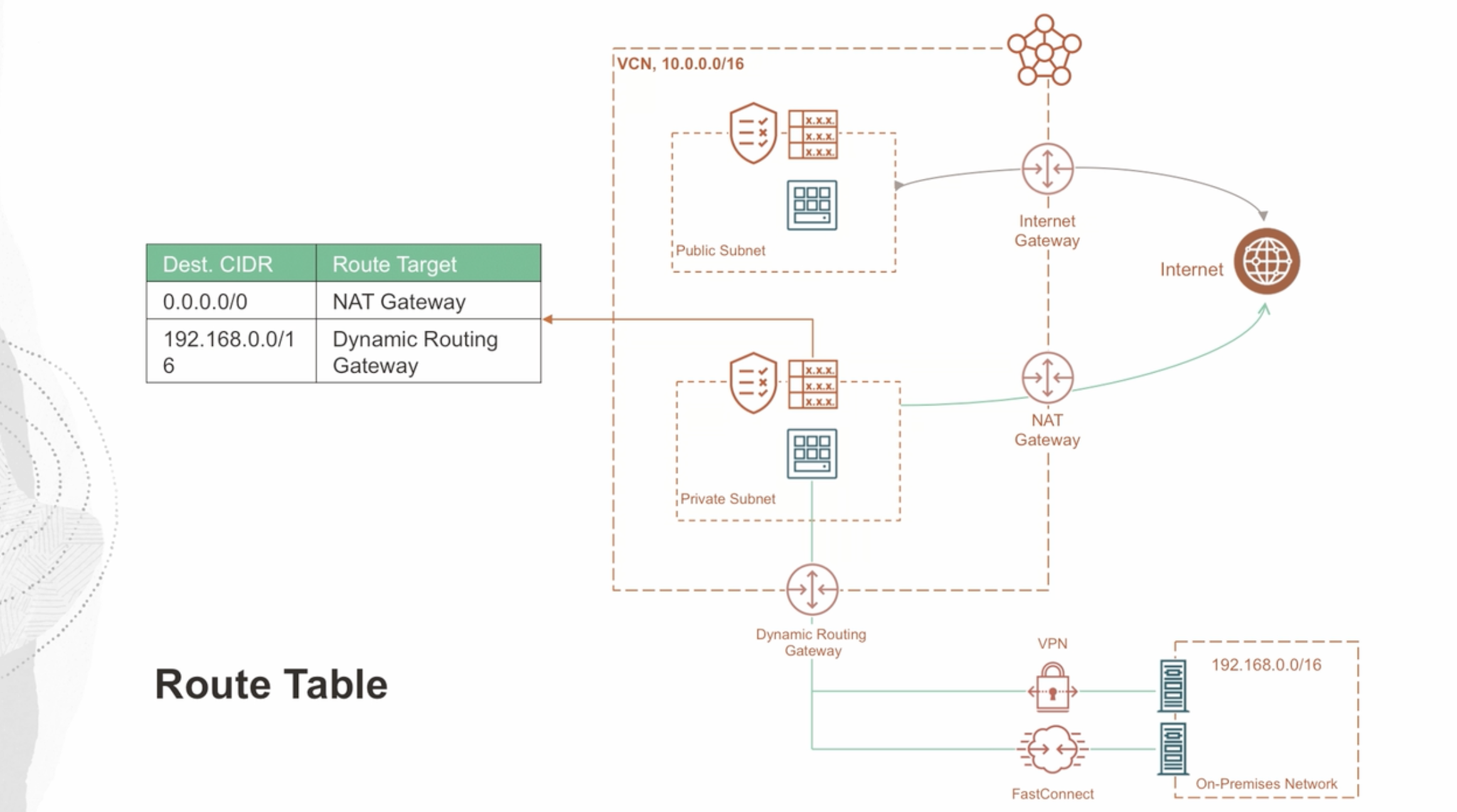
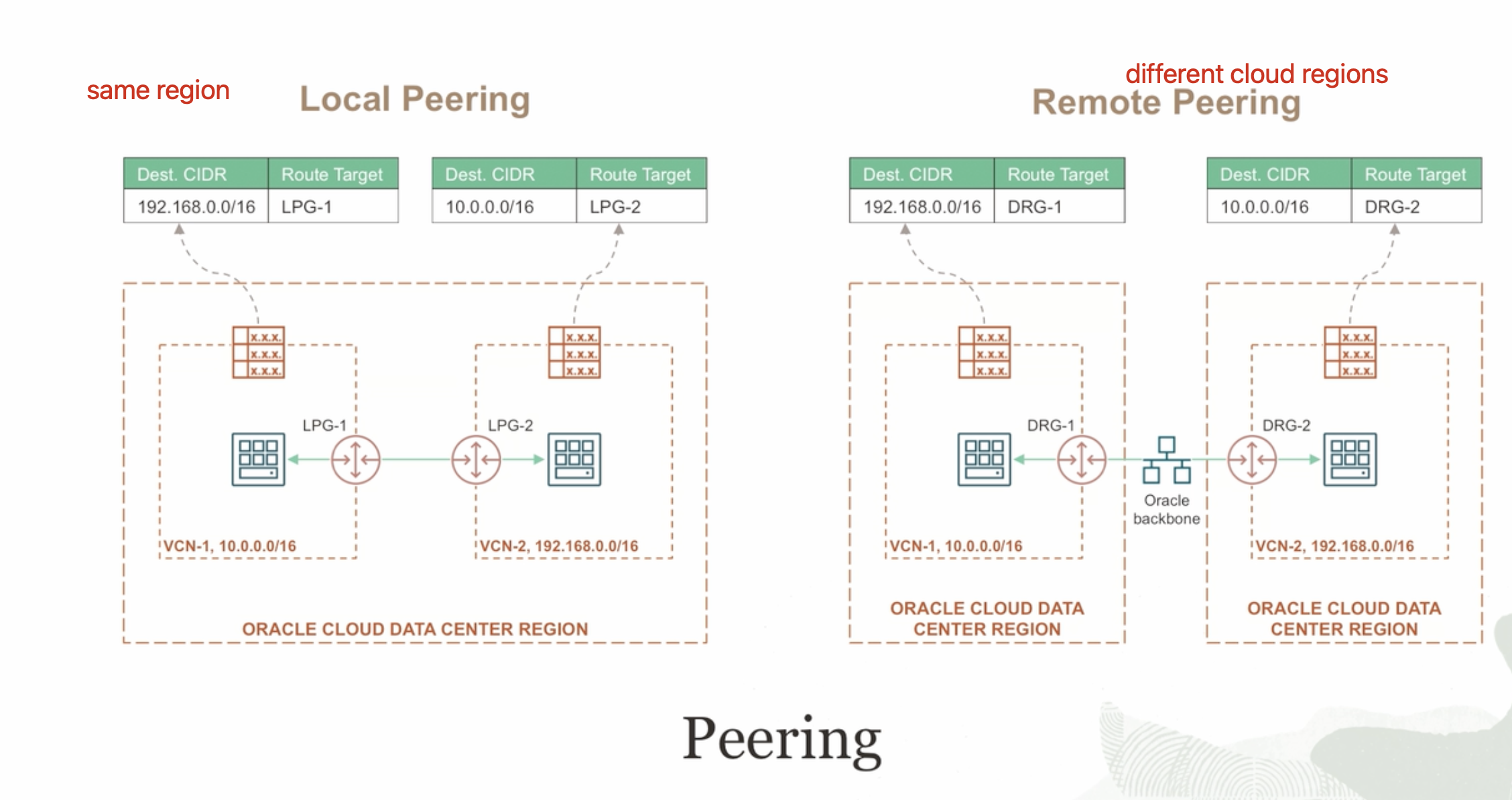
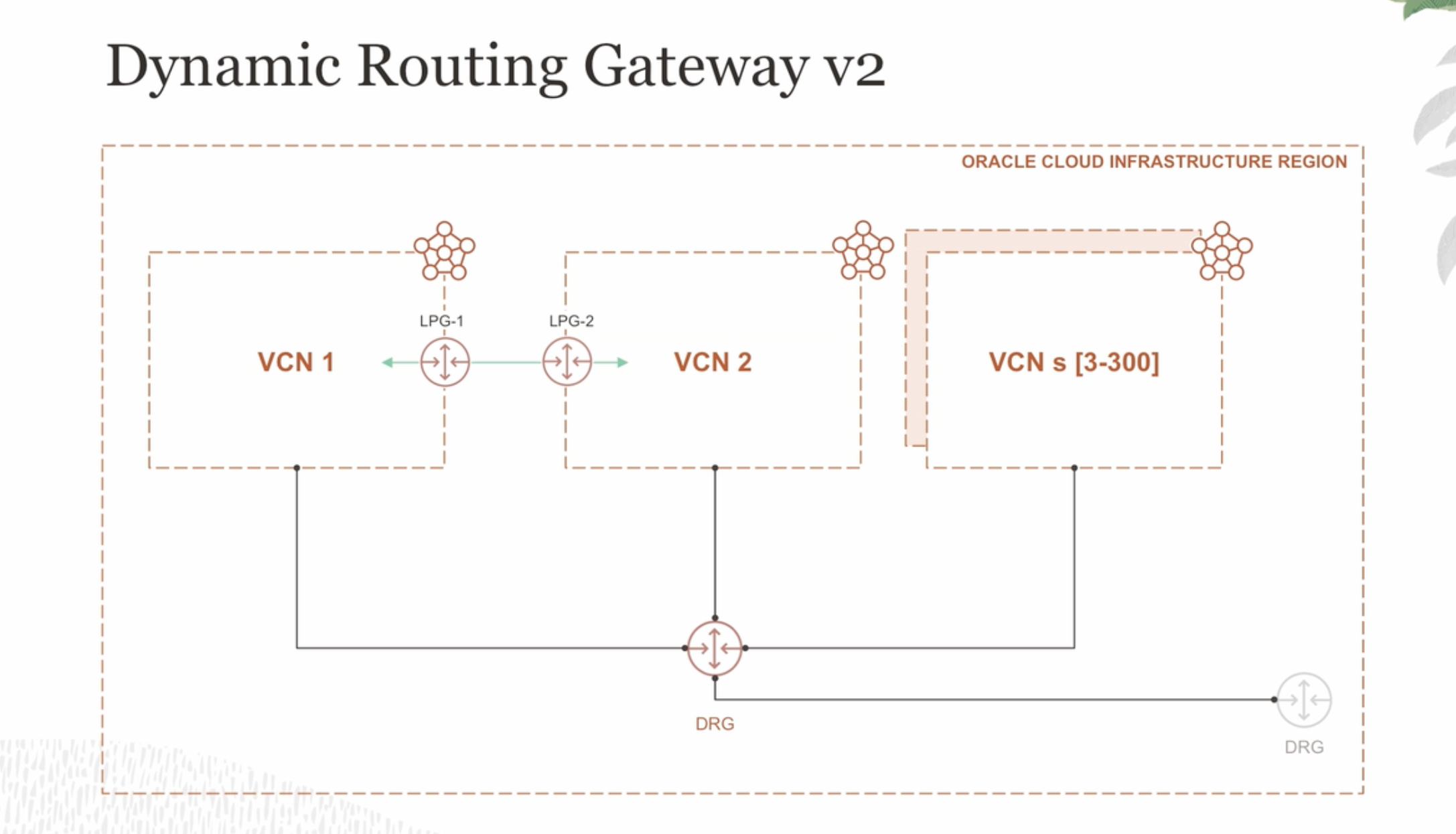
VCN Routing #
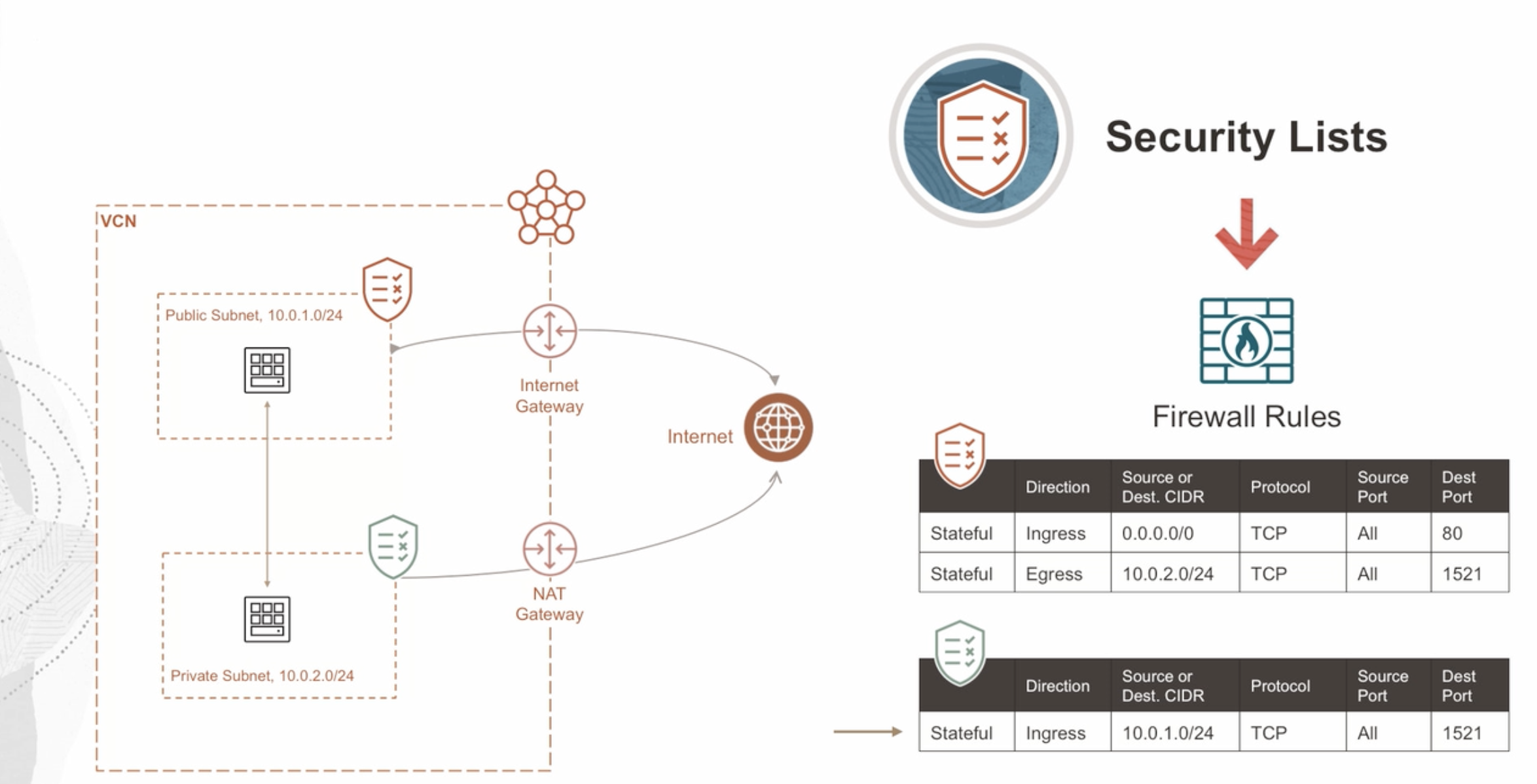
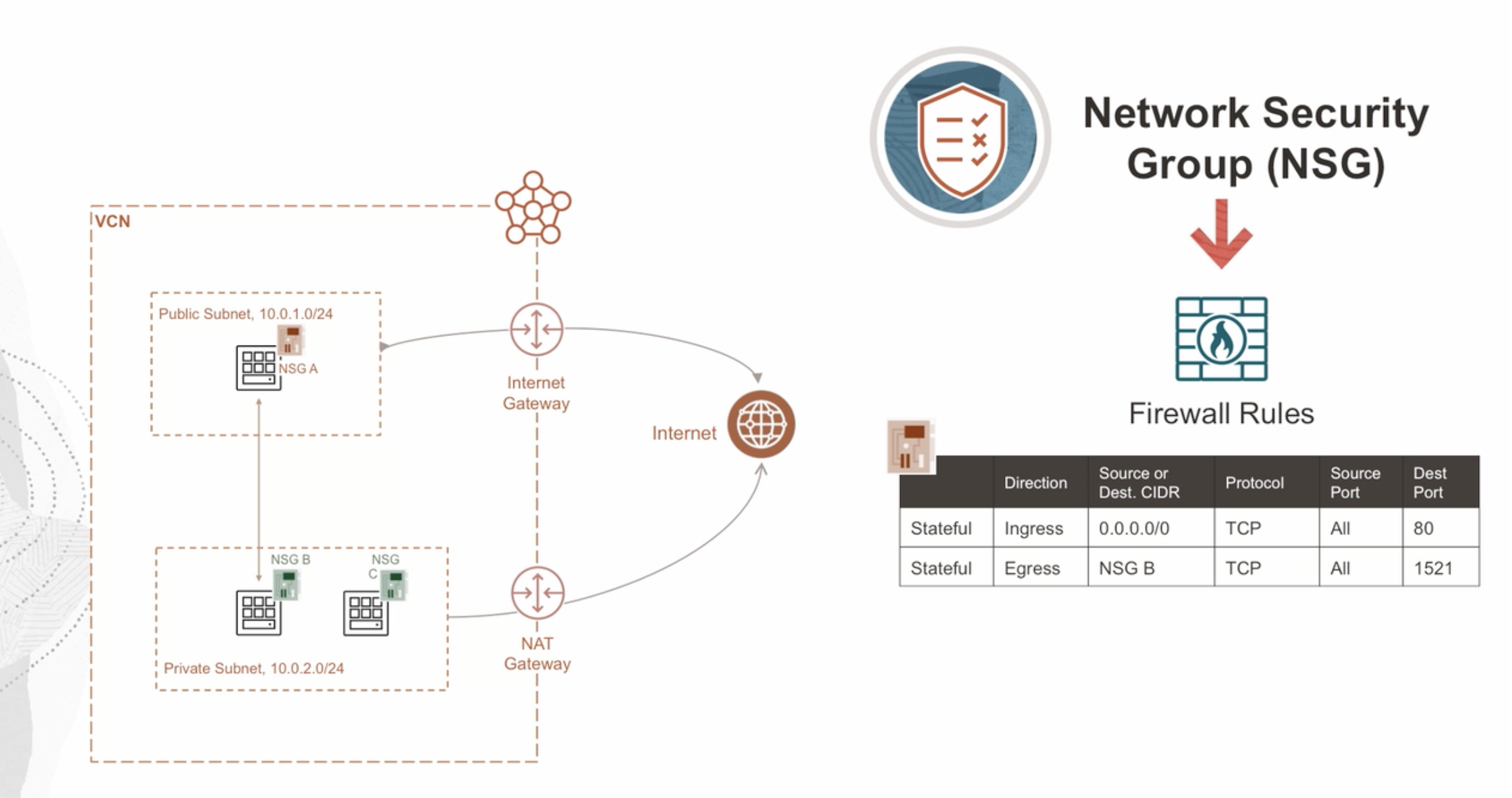
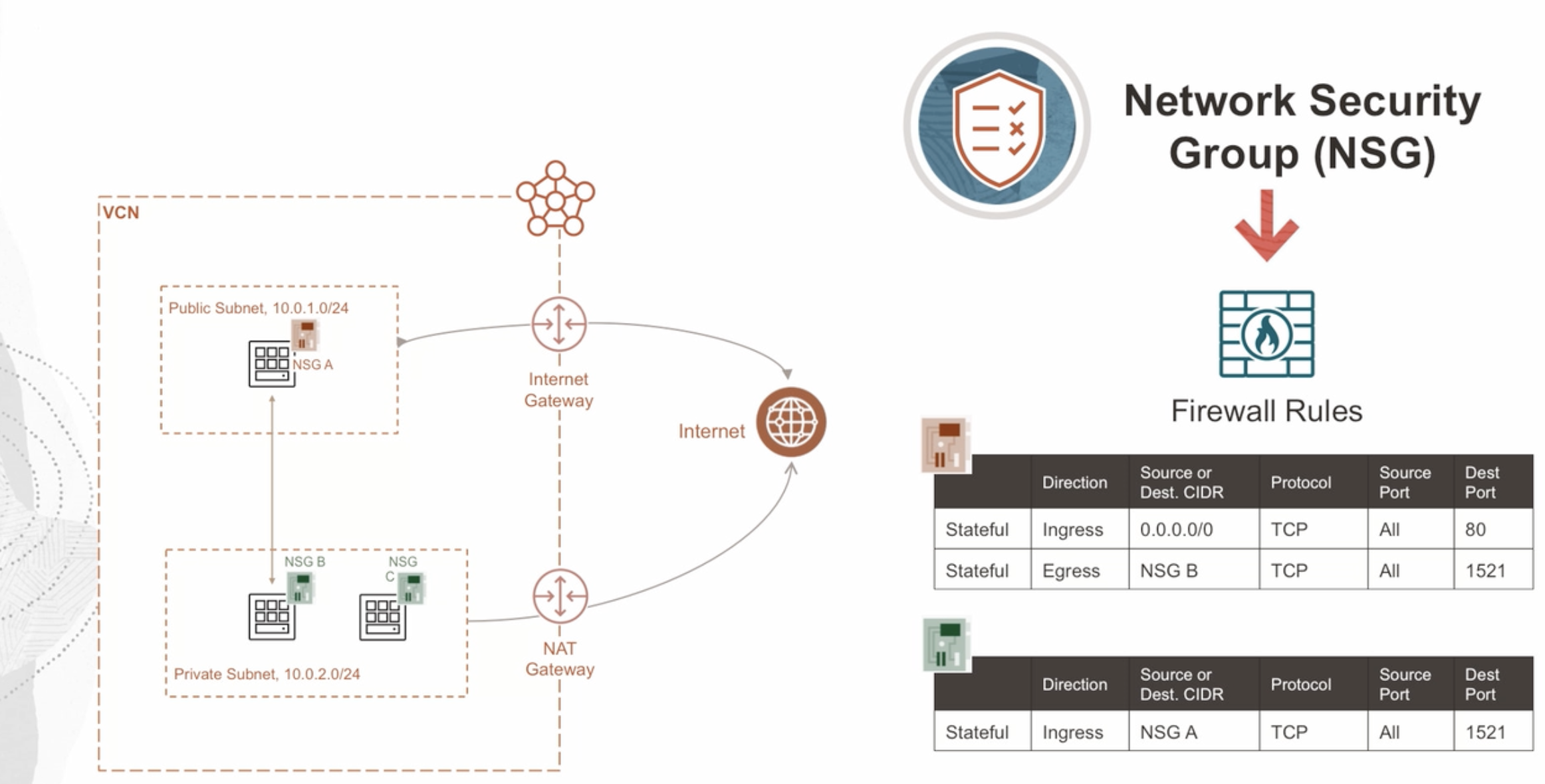
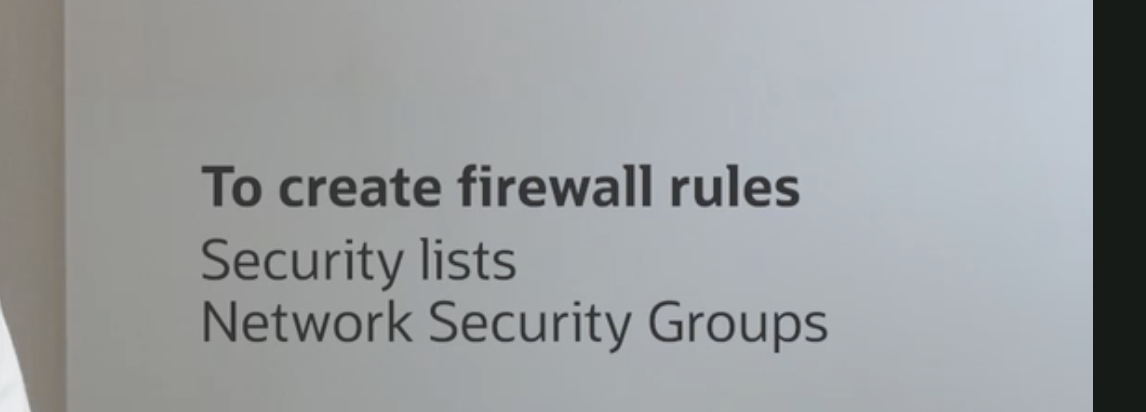
VCN Security #
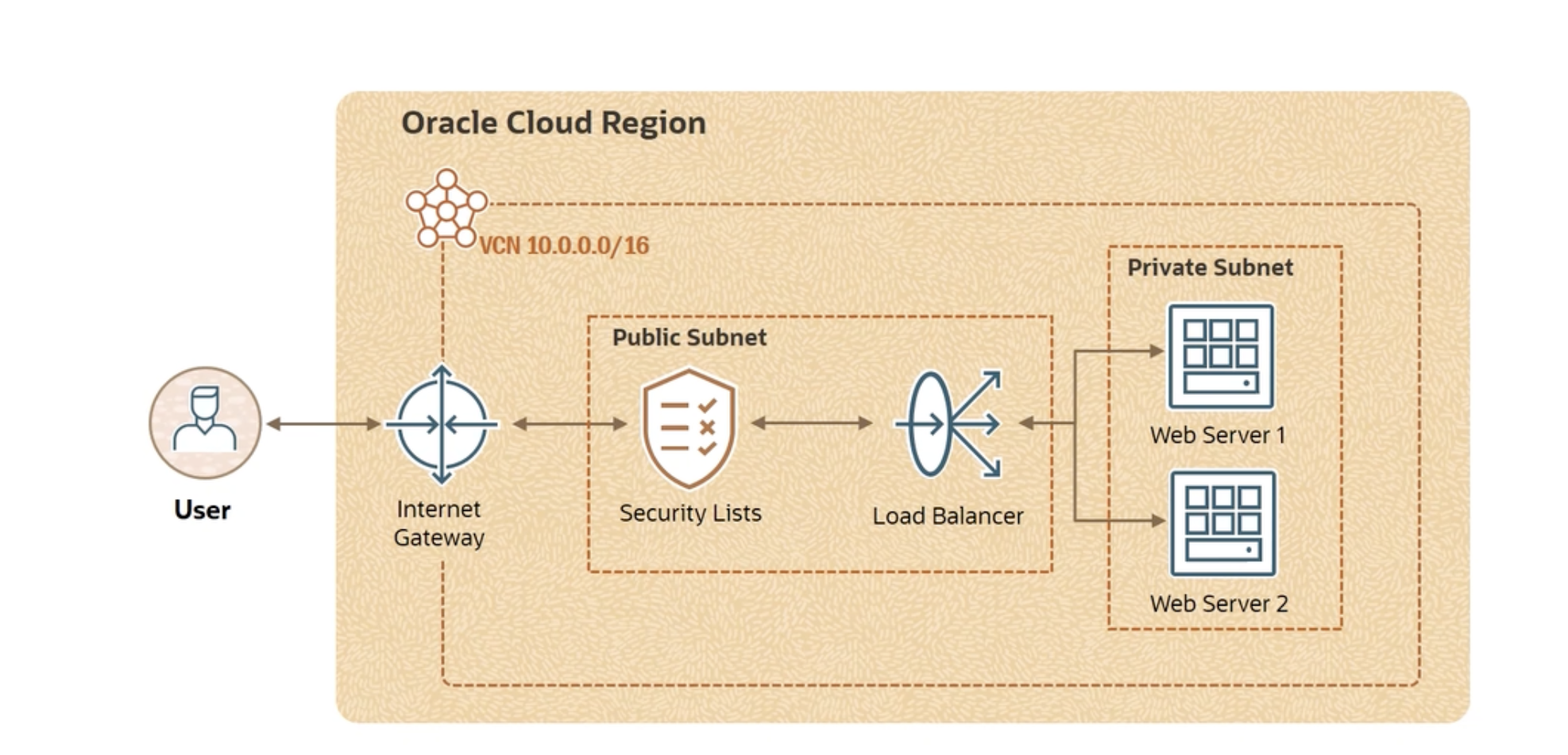
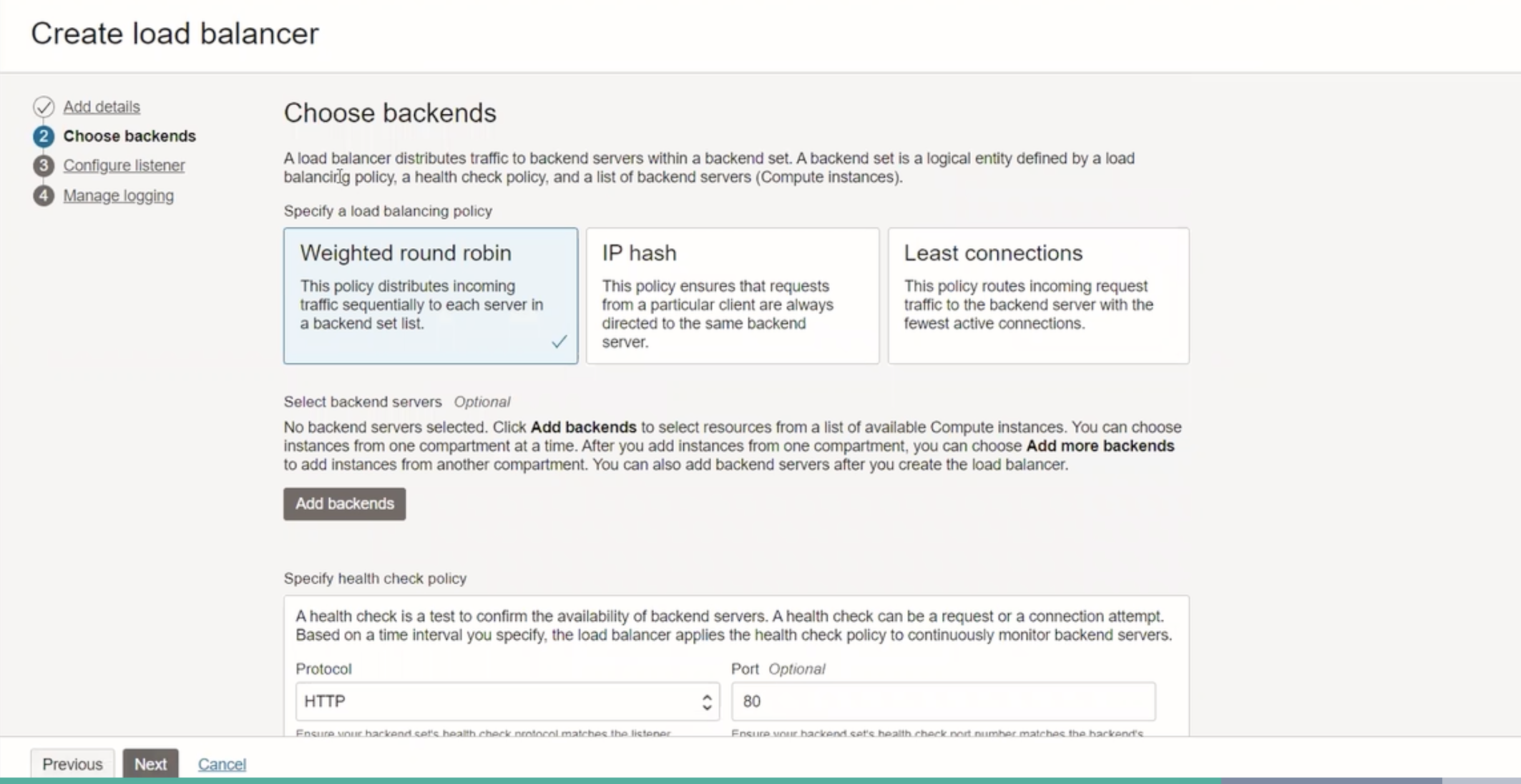
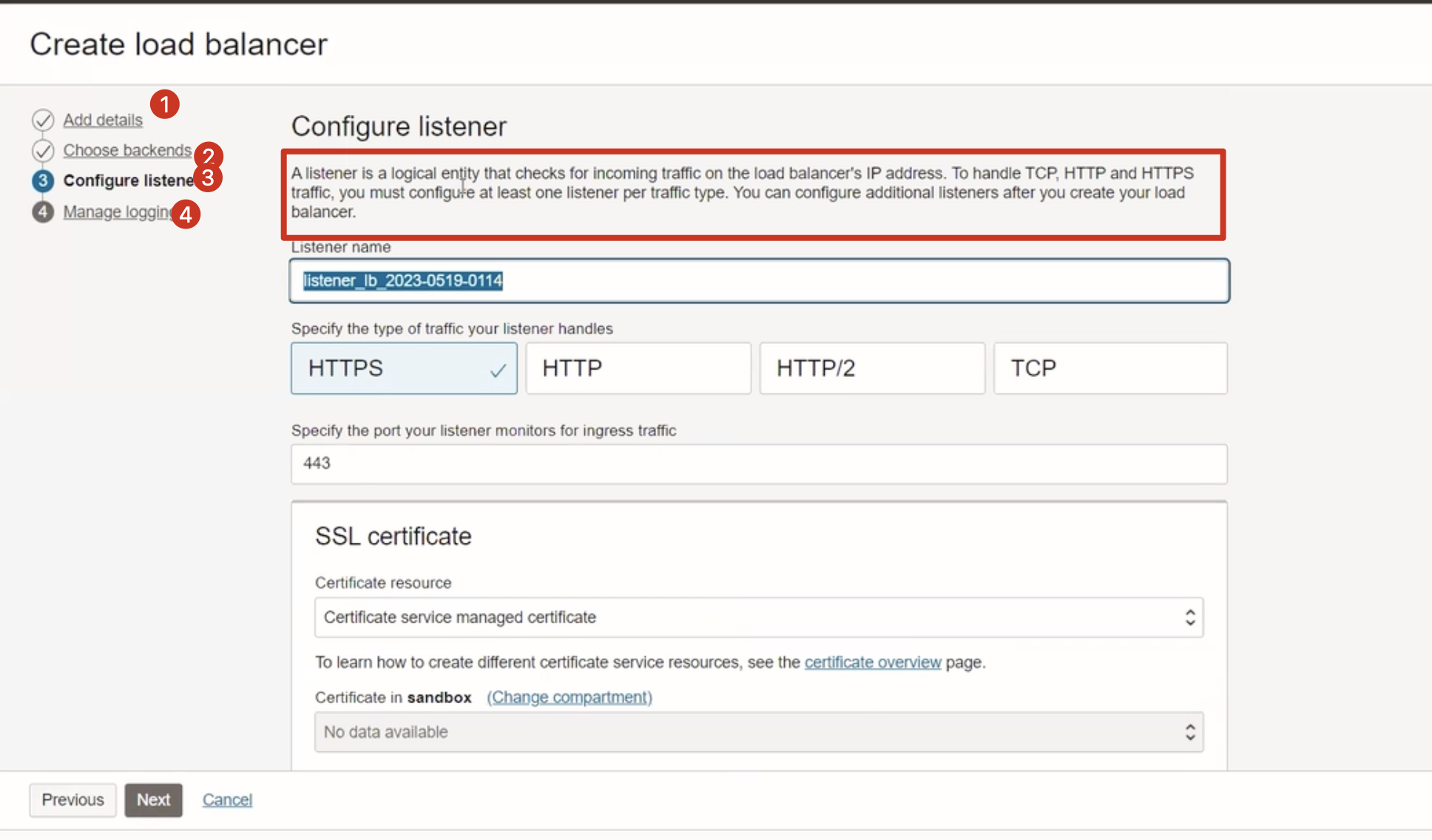
Load Balancer #
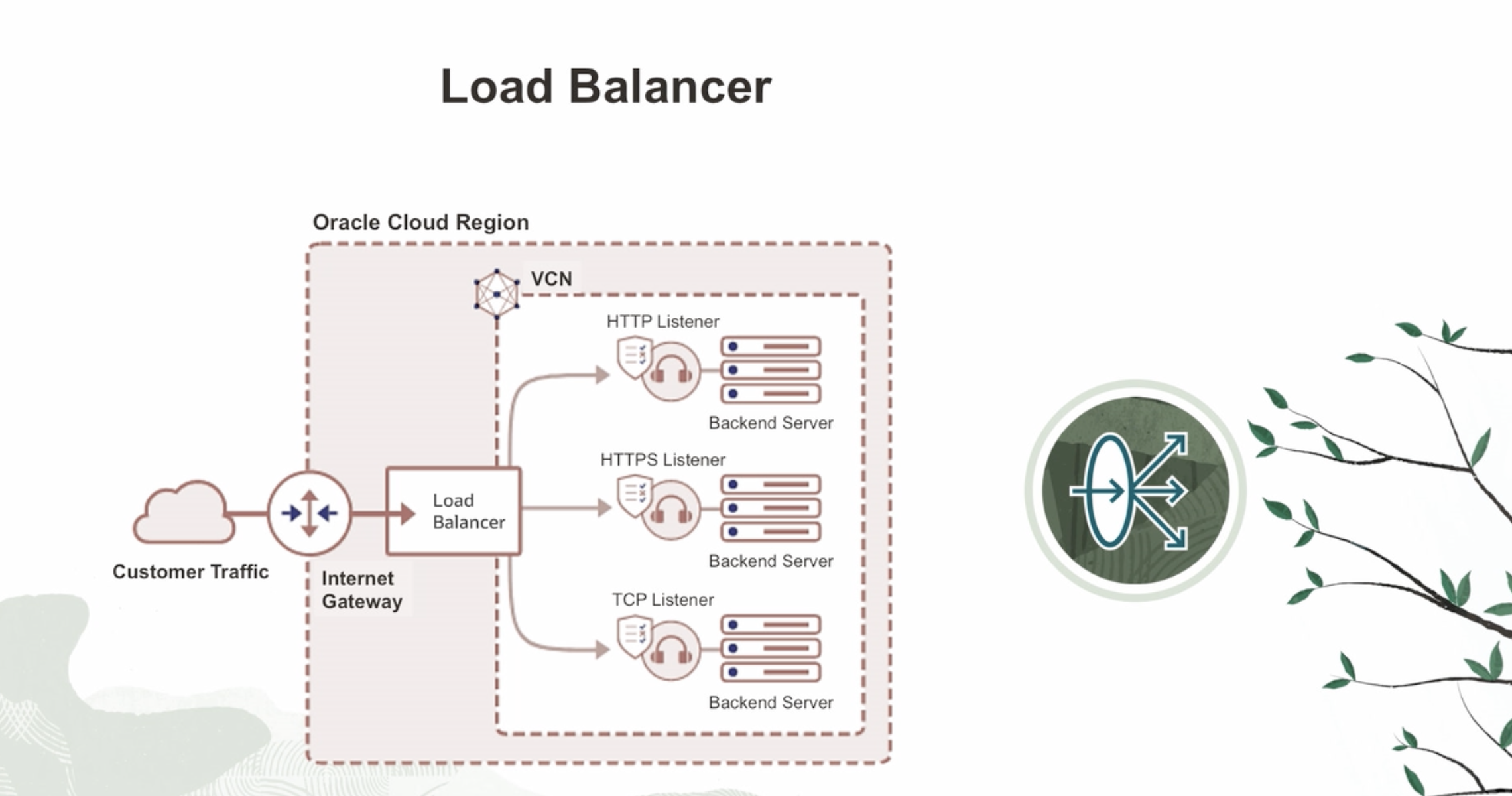
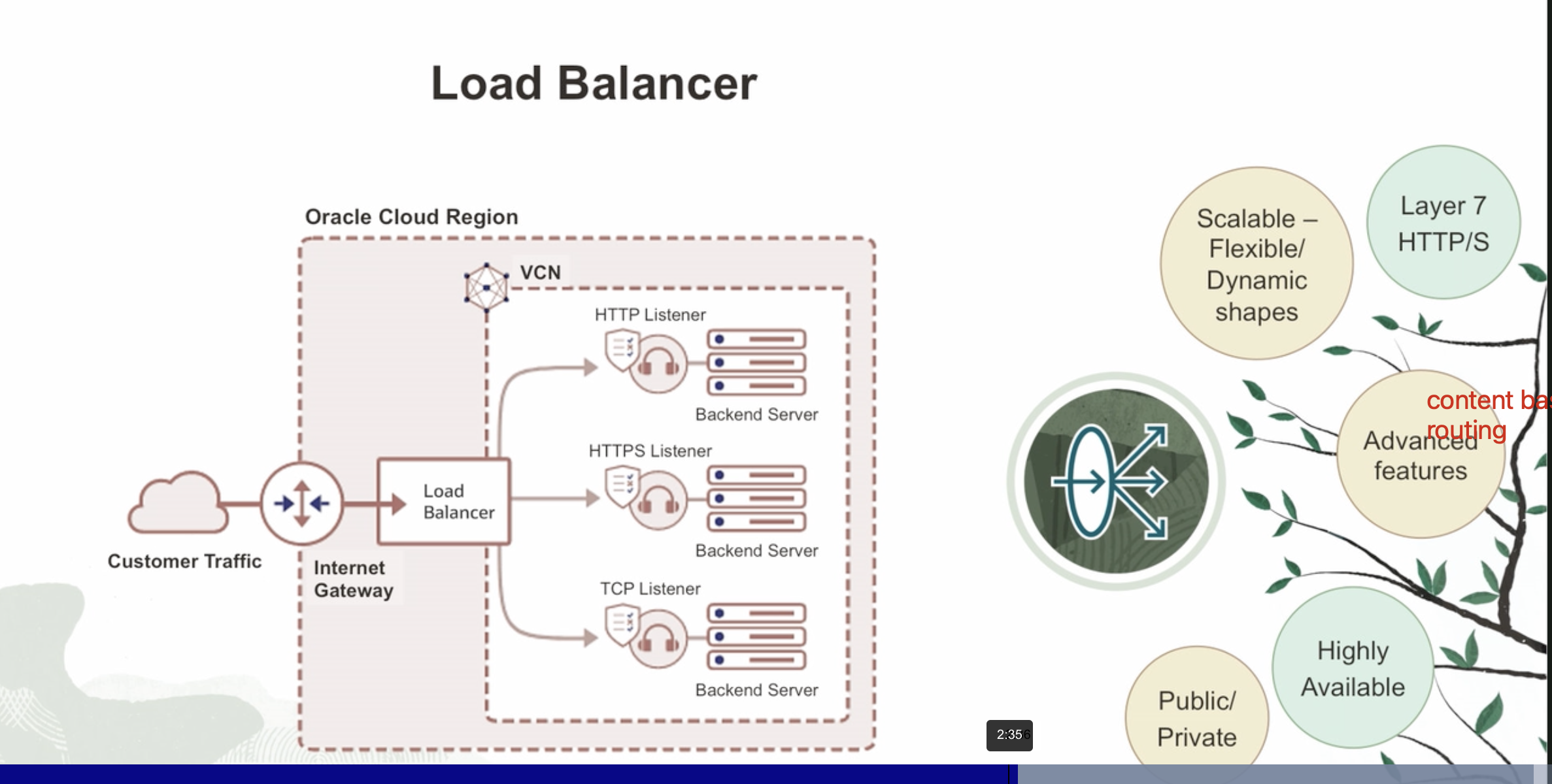
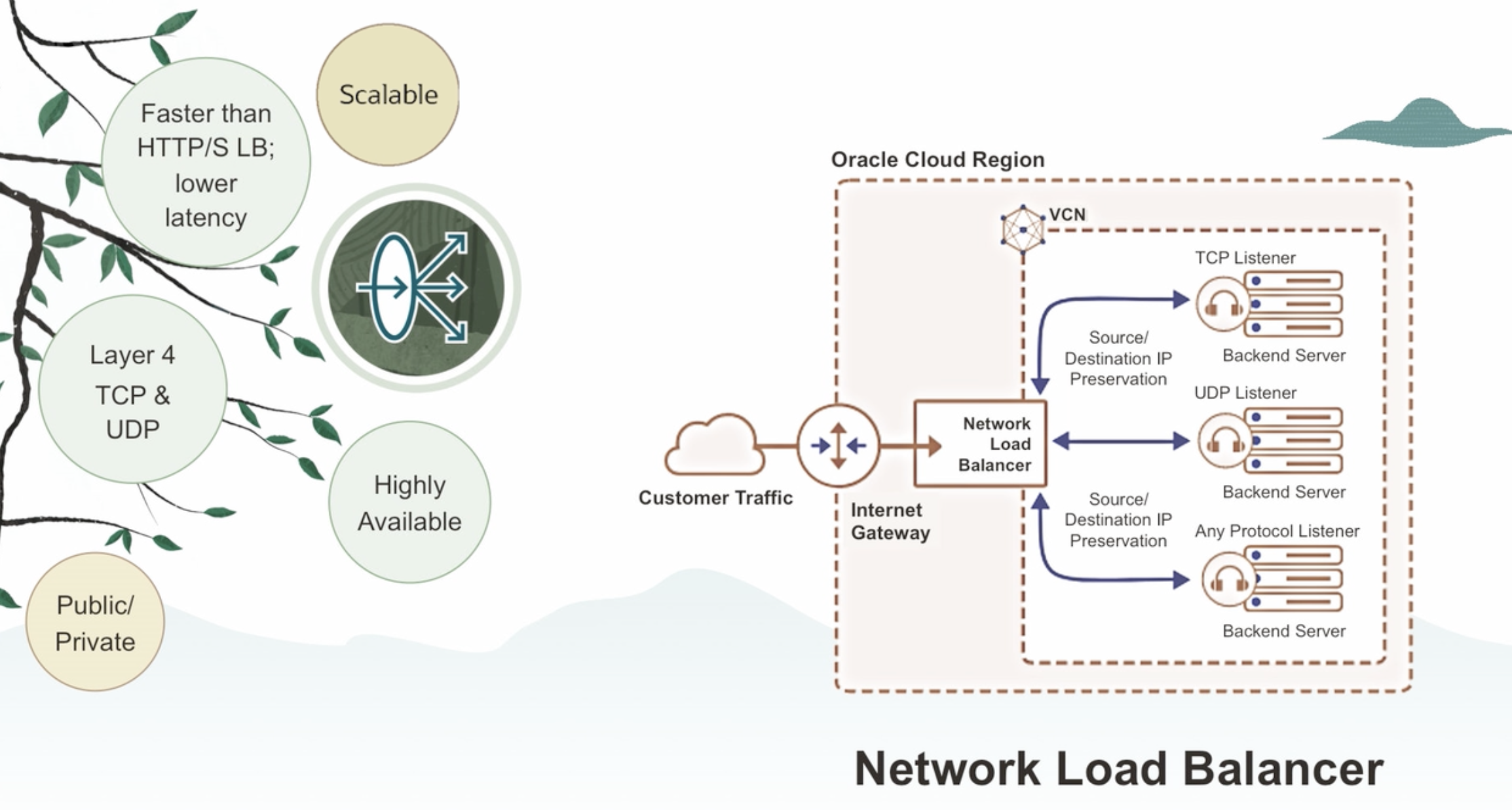
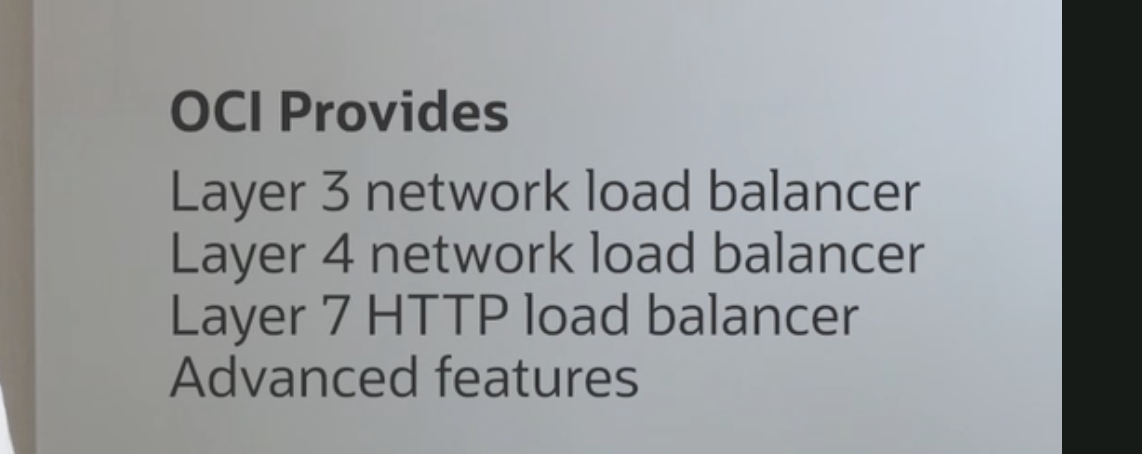
Load Balancer Demo #
VCN vs LAN #
A VCN network is different from other common networks in both the technologies it uses and its scope.
- For example, a local-area network (LAN) is a type of network that is wired and therefore often confined to one building.
- Even though a LAN has wireless connections, the central components that get their signal from the internet are still localized within the physical structure of the building.
- Also, the devices and resources connected to the LAN typically need to either be wired directly to routers and switches or positioned relatively close to access points, so they can receive their signals. This limits the scope and flexibility of a LAN when compared to a virtual cloud network.
VCN vs WAN #
A wide-area network (WAN) has similar limitations, all stemming from the need for relative proximity to the various sources of data.
A WAN, even though it can stretch farther than a typical LAN, still depends on servers housed within the physical space of an organization.
Although the connections can stretch far across an organization’s campus, a typical WAN is still limited by its physically central architecture.
A VCN, on the other hand, is uninhibited by physical location.
If an organization wants, it can arrange for all data provisioning to happen in the cloud.
In this way, as long as the various computers, Internet-of-Things (IoT) devices, and endpoints have an internet connection, they can connect with the network. Further, the virtual network can be expanded by simply having the cloud provider provision more resources.
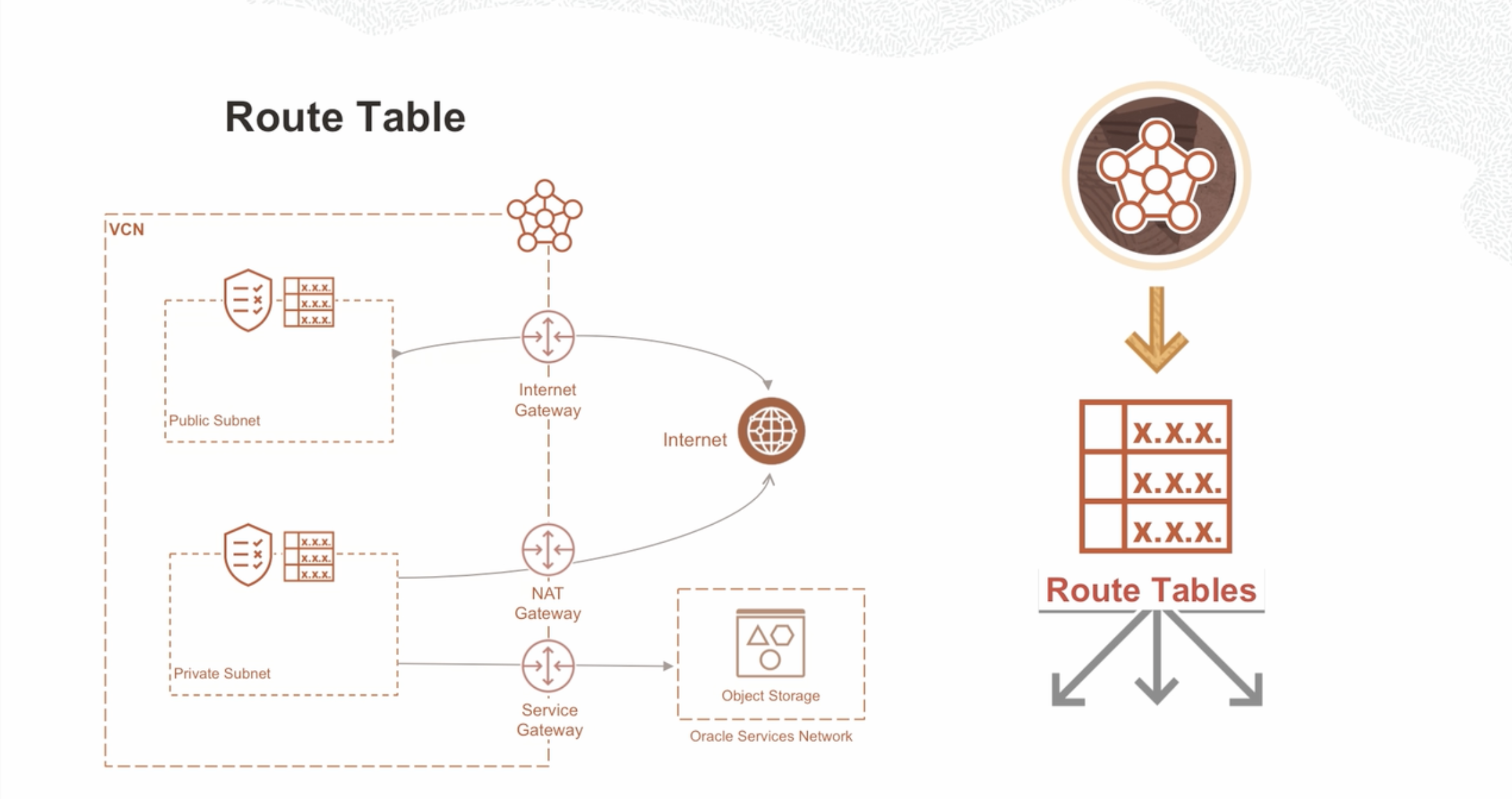
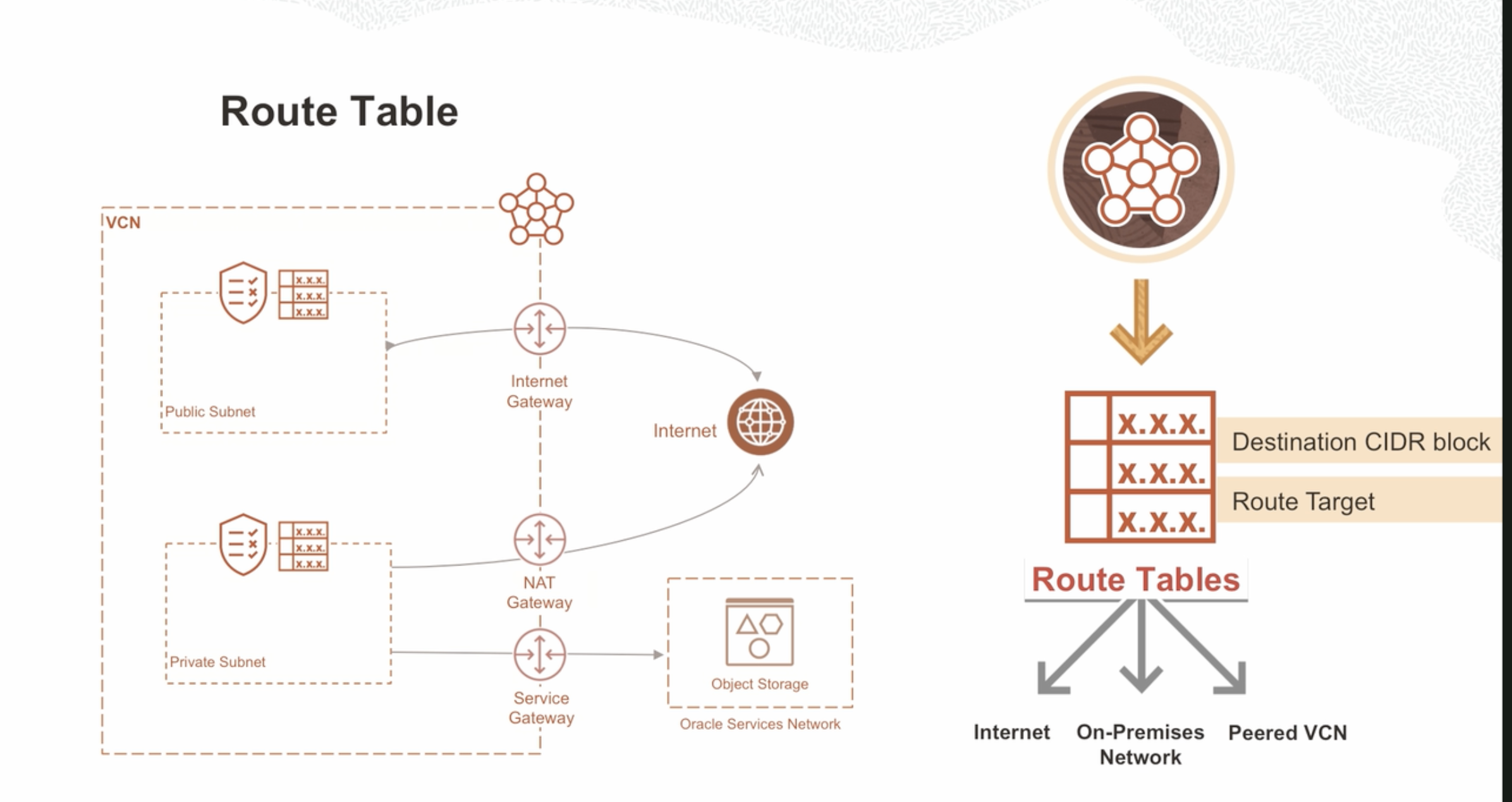
Gateways #
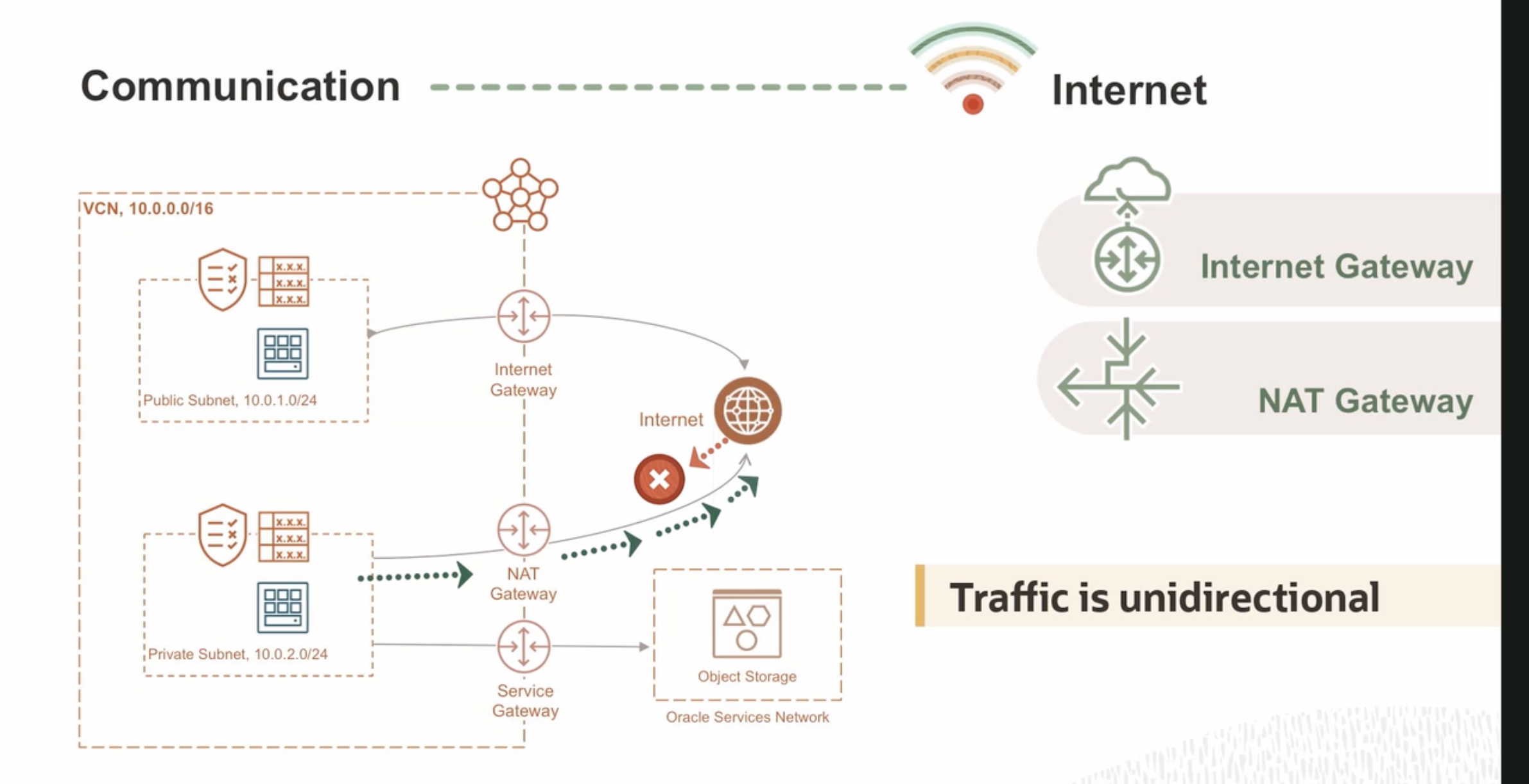
Internet Gateway #
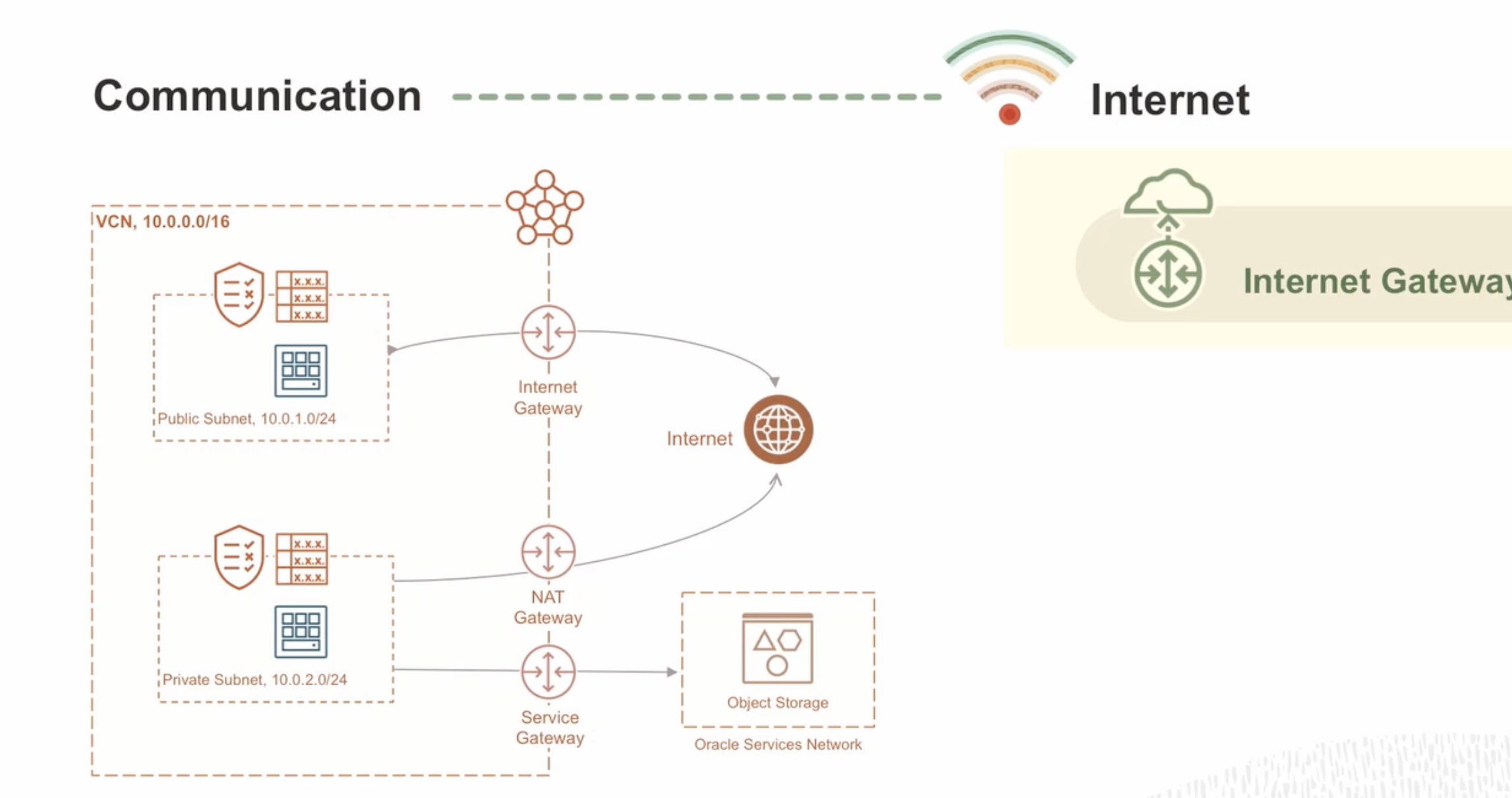
NAT Gateway #
Allow outbound connection to internet
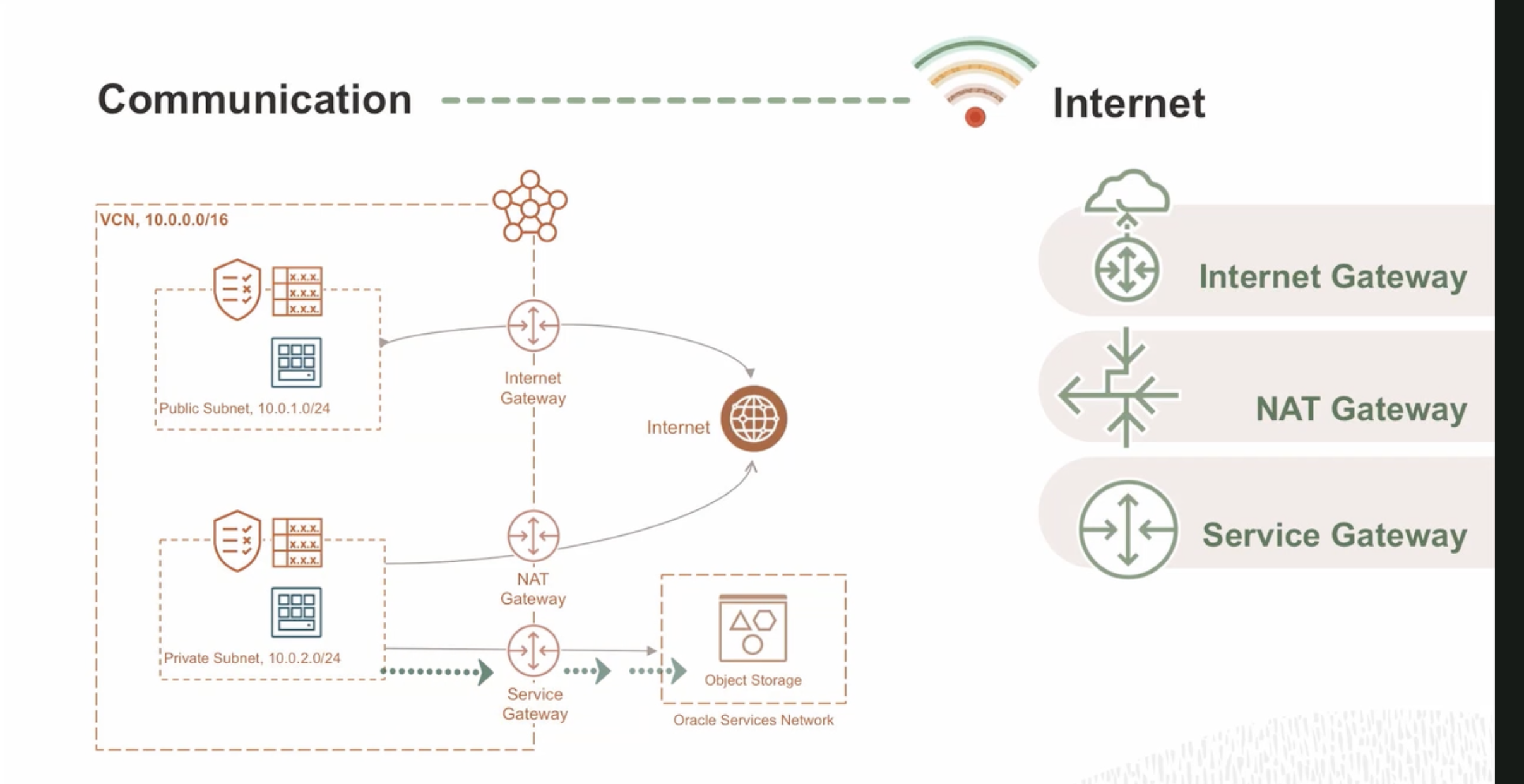
Service Gateway #
accessing OCI public services in secure way
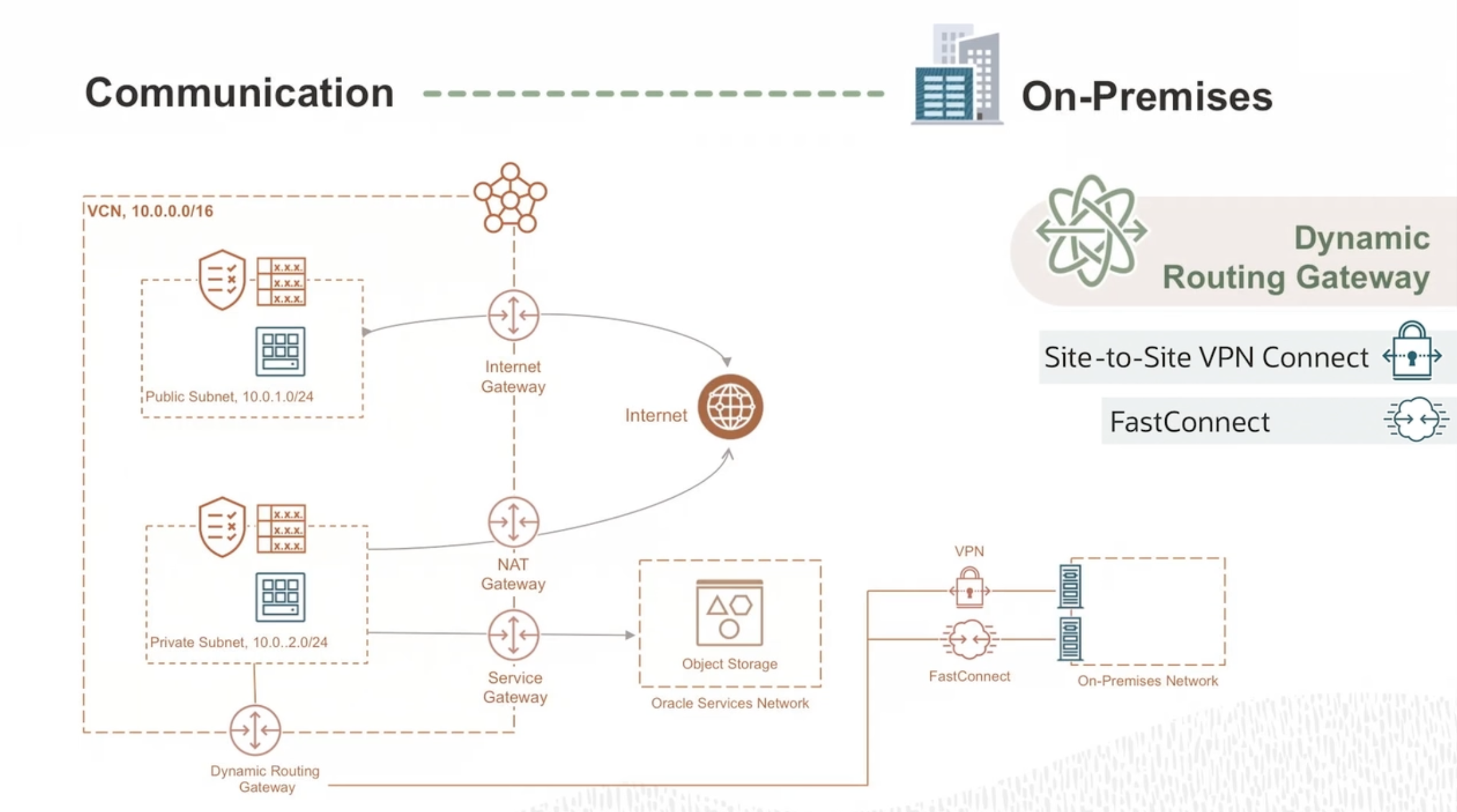
Dynamic Routing Gateway #
For accessing resources that are on premises
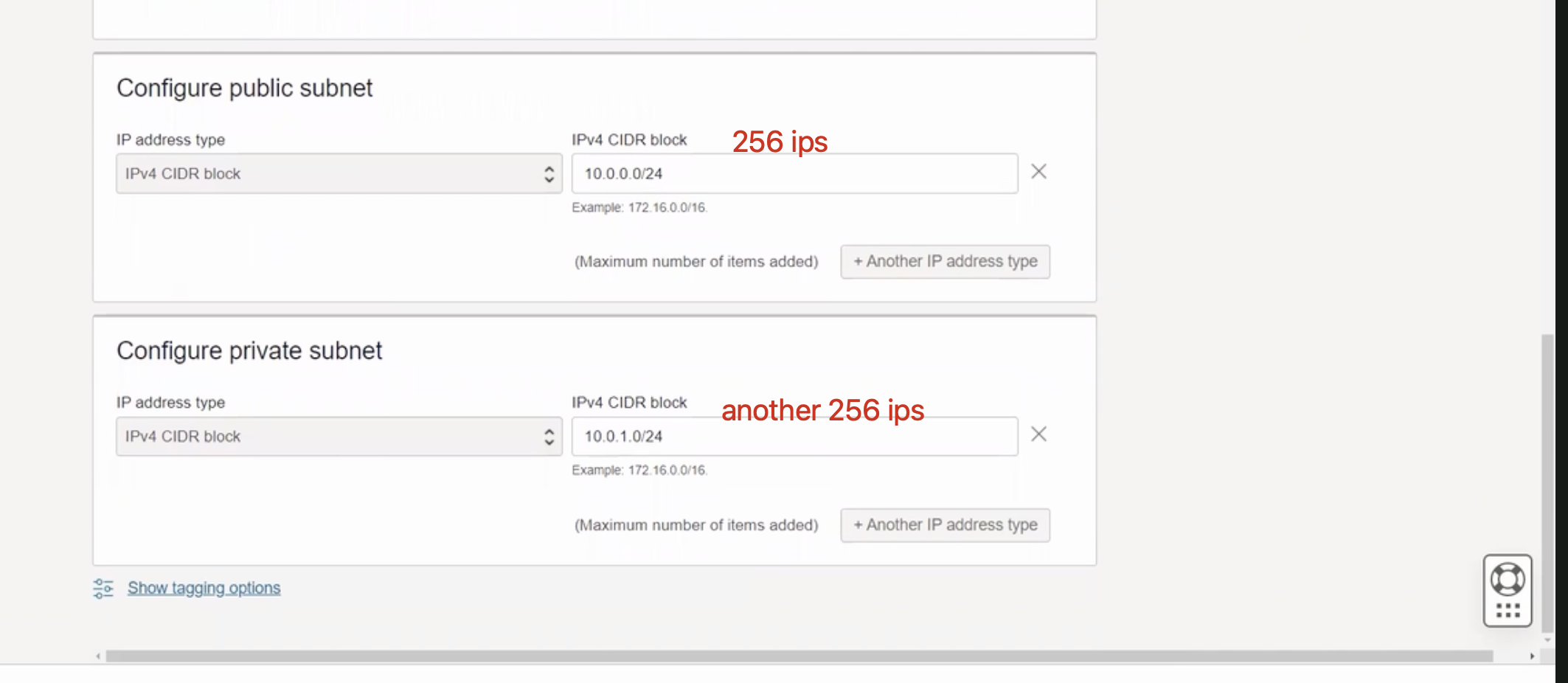
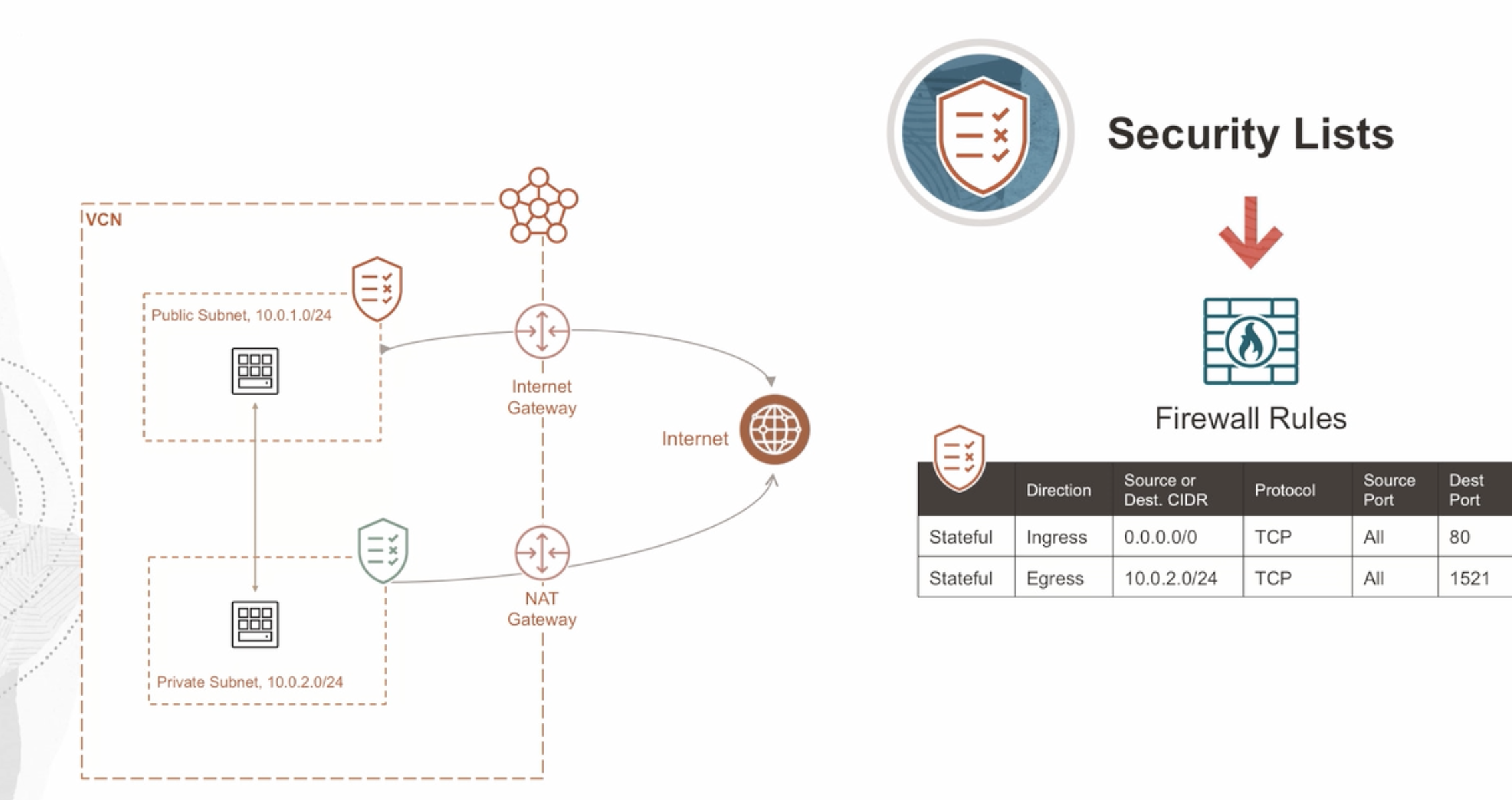
Security #
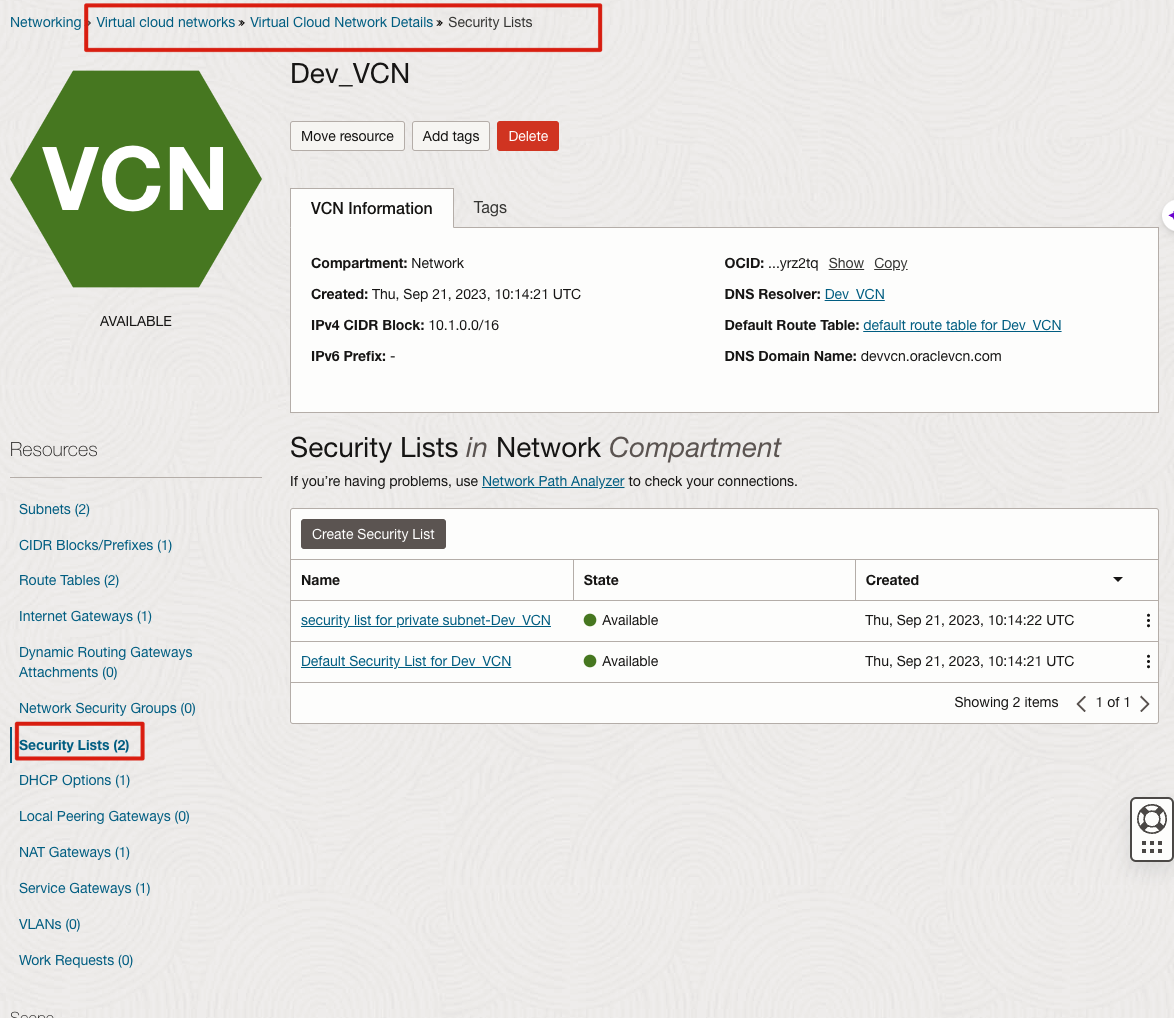
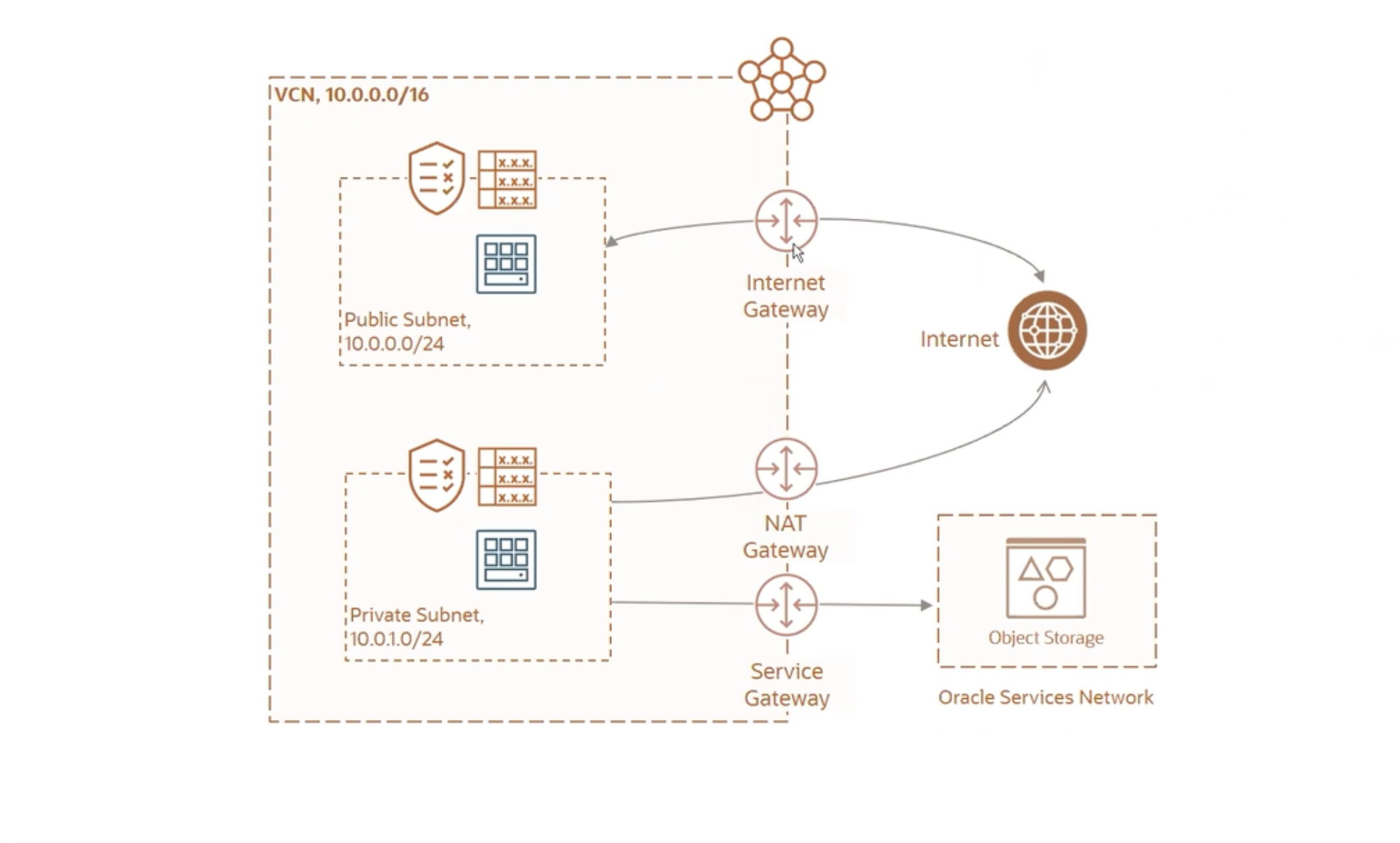
without this egress rule, the public server was not reachable in browser
