Customer Profile
tags :
Leverage data to build rich customer profiles so you can provide more relevant, personalized experiences.
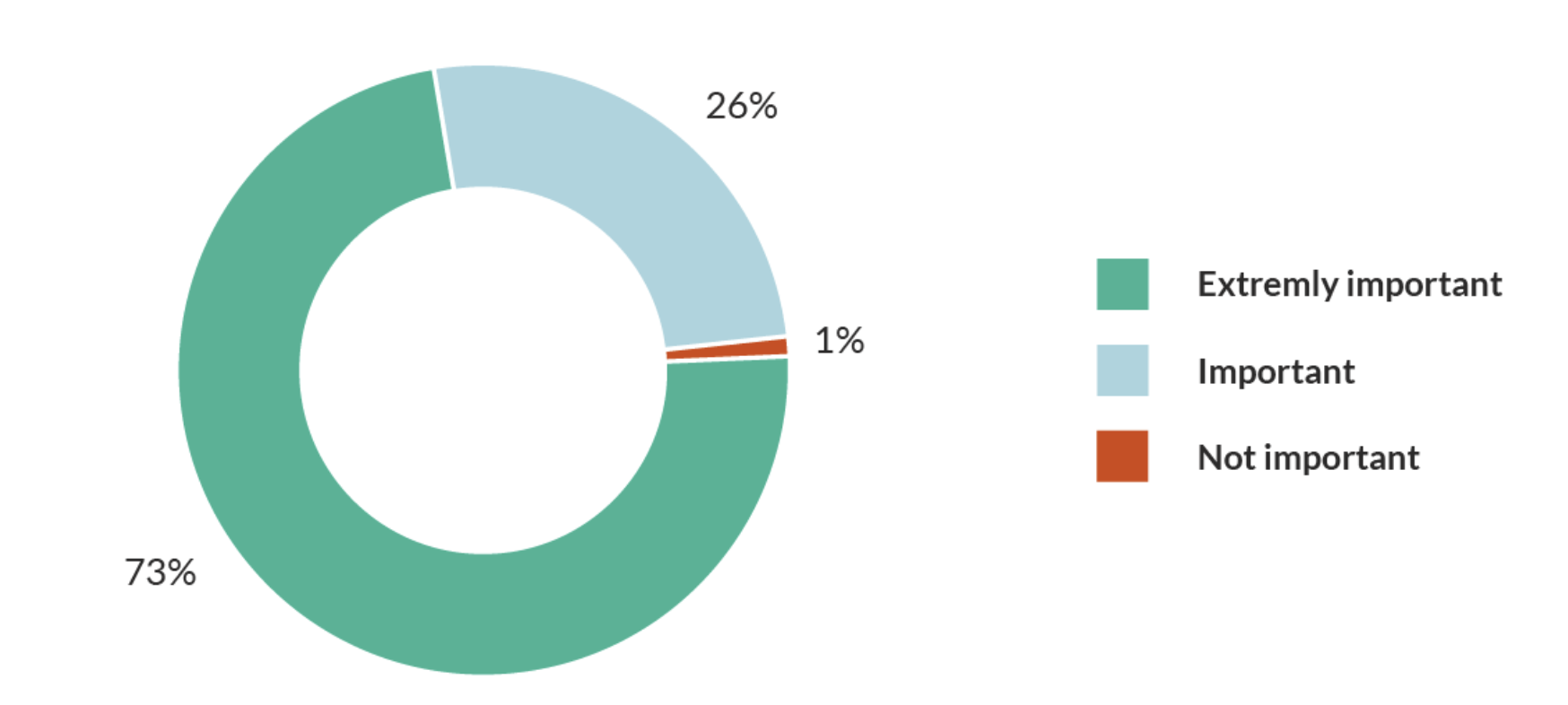
Survey of how important is the 360 customer profile? #
Why #
Personalization matters to consumers. Research shows that 43 percent of buyers want online ads to be personalized based on their interests, behaviors, and geography. And 29 percent are more likely to buy something from a personalized ad.
Create targeted content #
Provide superior customer service #
Drive customer loyalty #
Boost sales #
Reduce churn #
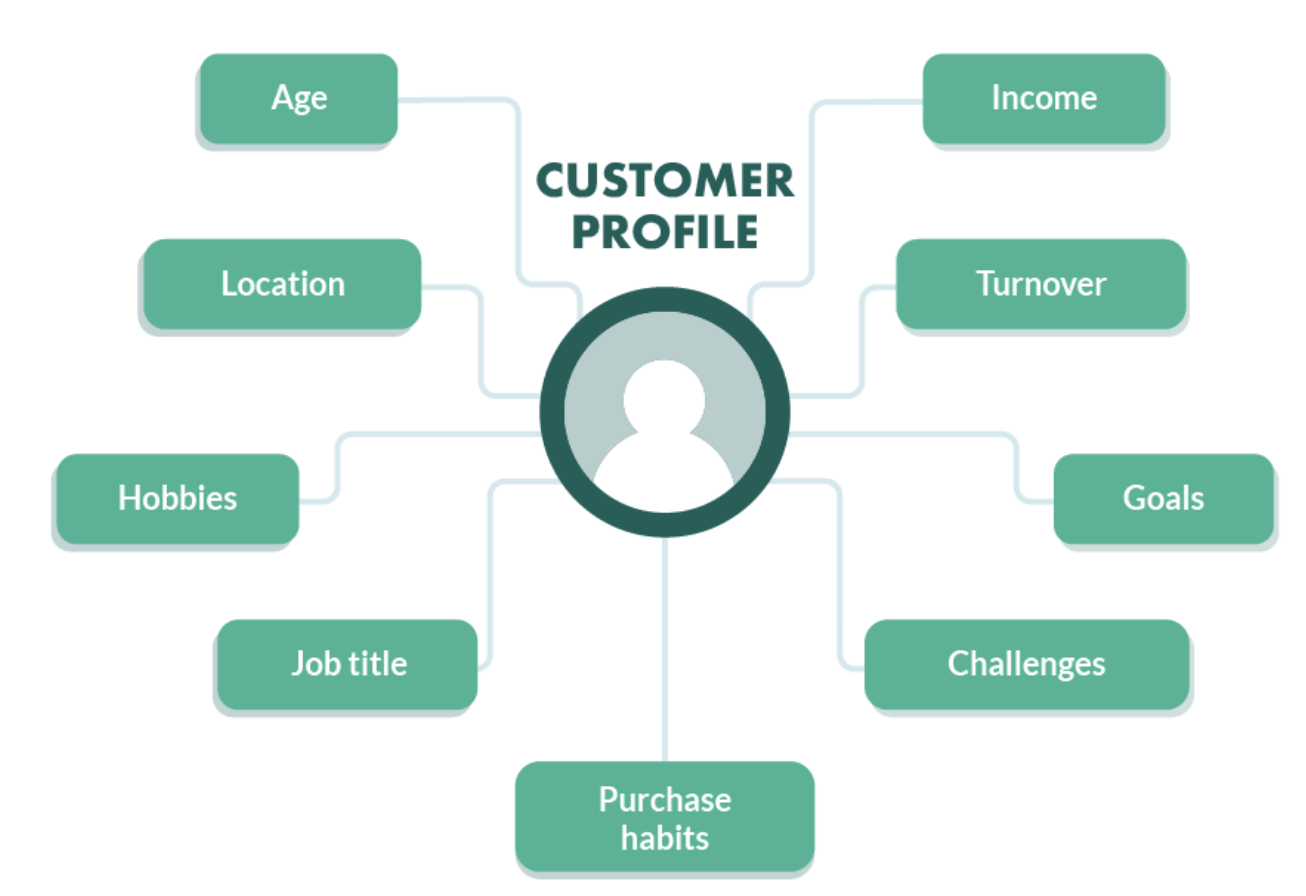
What data is necessary for creating a customer profile? #
Demographic Data #
Geographic data #
Use lead generation forms to collect a customer’s location information. You’ll want to know what city, state, and/or country they live in.
Age #
Learn a customer’s age from their account on your website, from surveys, or from feedback forms you might ask them to fill out.
Income #
Get this information from surveys and other forms. Then, you can strategically promote high-end products to customers with higher incomes and more affordable options to lower-income customers.
Hobbies #
Ask customers about their hobbies through surveys, forms, and social media. Or, learn about their interests through web analytics.
Customer Sales Data #
Sales data provides a peek into a customer’s past purchasing behavior so sales team members know how to approach them with recommendations.
Loyalty status #
Every company will have its own way of scoring a customer’s level of loyalty based on the ways the customer interacts with the brand.
Service-level agreement (SLA) terms and conditions #
Your team can use SLAs to deepen their knowledge about what a customer expects from your company’s services. This information can be found in the contract and can be stored in a CRM.
Buying patterns #
Knowing what a consumer bought—and when—is essential information for addressing their problems. This data can be gathered in online customer accounts and then integrated into a centralized platform.
Warranty info #
This will tell you how long ago a customer made a purchase, so you’ll know when to follow up on renewals. The warranty information is included in a customer’s account or contract.
Customer Support Data #
This data provides valuable insights into what a customer needs from your business and when. With this information, your support team can personalize their interactions with individual customers instead of using a one-size-fits-all approach.
Conversational data #
Form a detailed record of why consumers contact your support team and how your team assists them. Your CRM should also track past support tickets for every customer.
Returned items #
Use this information to ensure your marketing team doesn’t try to sell the customer those products again. Your support team will also understand what didn’t work for the customer previously. The data will be stored on your ecommerce platform.
Customer lifetime value #
This helps teams recognize whether they’re dealing with a VIP or a first-tier customer so they can treat them accordingly. There are numerous ways to calculate customer lifetime value based on previous sales and purchases.
Customer satisfaction (CSAT) score #
When sent out after a support interaction, a CSAT survey indicates whether or not the customer’s needs and expectations were met. Again, different companies can come up with their own ways to measure customer satisfaction, but it will help to have all your information in one place.
B2C #
A customer profile in a B2C context focuses on individual customers and features demographic data like age, gender, and lifestyle preferences.
B2B #
A customer profile in a B2B context maps out the typical client company. It includes information like the company’s size, industry, location, revenue, and target audience. The profile may also cover the decision-makers at the client company.
Profile types #
Psychographic #
This customer profile type describes the consumer’s qualities and traits. It covers:
Demographics #
age, location, gender, marital status, ethnicity, income, Internet access, job title, homeownership, education level
Lifestyle #
hobbies, activities, interests, values, attitudes, opinions, and talking points (politics, religion, human rights, etc.)
Typology #
This customer profile focuses on what drives the consumer to interact with you. It defines the customer by their motivation type:
Need-based #
Customers who buy only what they need
Deal-based #
Customers who look for discounts and care most about price points
Impulsive #
Emotionally-driven customers who spend based on feelings and impulses
Loyal #
customers who consistently buy from you and promote you to people in their network
What customers want? #
Loyal customer profiles commonly identify these brand characteristics as being important:
Convenience #
You make it fast and easy for buyers to do business with you.
Personalization #
You’re able to appeal to them on a personal level. They recognize that the experience you offer is tailored to their specific wants and needs.
Belonging #
They feel like they’re a part of a community. They connect with other customers, pay close attention to reviews, and regularly interact with you
Collecting data from Social Media? #
Twitter #
Reddit #
public APIs: https://www.reddit.com/dev/api/